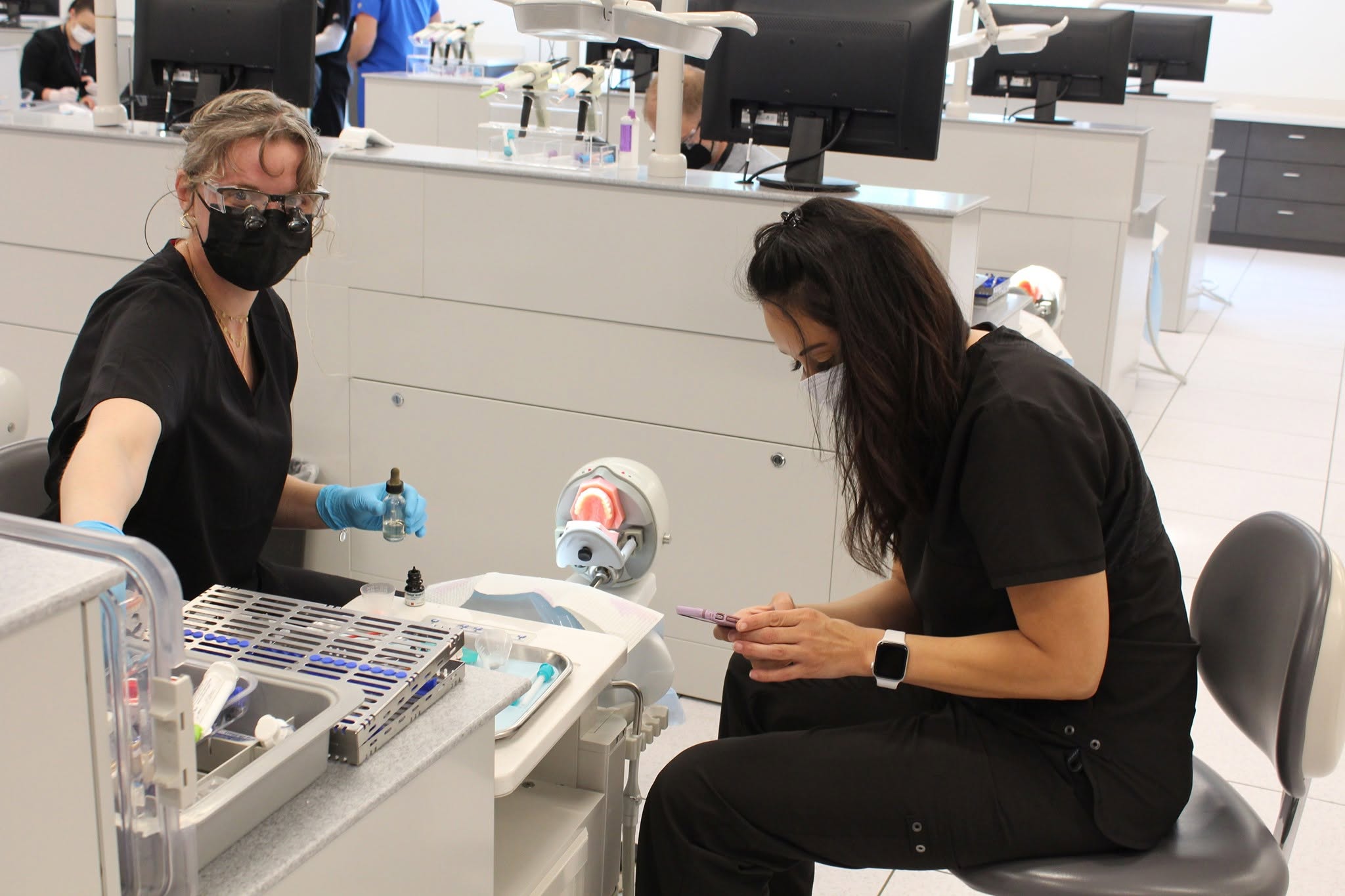
A toothache is easy to put off. Maybe it only flares up when you drink something cold, or it fades after a dose of pain reliever. For many people in Lubbock, that pattern is how a small problem turns into a serious one. Getting a damaged tooth checked early can be the difference between a simple procedure and a painful, expensive emergency.
What Happens Inside an Infected Tooth
Every tooth has a soft center called the pulp, made up of nerves and blood vessels. Deep decay, a crack, or repeated dental work can let bacteria reach it. Once the pulp is infected, your body can’t clear it on its own, and the infection tends to spread.
A root canal removes the infected pulp, cleans the inside of the tooth, and seals it. The tooth is then usually protected with a crown, so you keep your natural tooth and can chew normally again. If you are searching for Root Canal Treatment Lubbock, knowing when to act is the first step.
Warning Signs You Shouldn’t Ignore
Your mouth usually gives signals before the situation becomes urgent. Watch for:
- Lingering pain when eating or drinking hot or cold items
- A dull ache or sharp pain when you bite down
- Swelling or tenderness in the gums near one tooth
- A darkening tooth
- A small, pimple-like bump on the gums
Some infections cause no pain at all, so regular checkups matter even when you feel fine.
The Benefits of Acting Early
Less pain, sooner. Pulp infection often gets worse over time. Treating it early stops the pain at its source instead of masking it.
A simpler procedure. When the infection is caught before it spreads, treatment is typically more straightforward, with less to clean and repair.
Protecting the surrounding bone and teeth. Left untreated, infection can form an abscess and damage the jawbone. It can also affect neighboring teeth and gums.
Saving your natural tooth. Keeping your own tooth is usually better for chewing, alignment, and long-term oral health than extraction and replacement.
Lower long-term cost. Waiting can lead to emergency care, extraction, and replacement options such as implants or bridges. Early treatment is often the more economical path.
Why Waiting Is Risky in Lubbock, Too
Busy schedules, work, and family commitments make it tempting to delay dental care. But a tooth infection doesn’t pause for a full calendar. Swelling, fever, or severe pain can appear suddenly and may force you to seek urgent care at a much less convenient time.
Finding a trusted Dentist In Lubbock before an emergency happens means you have someone who already knows your dental history. That familiarity helps your care team diagnose problems faster and recommend the right treatment.
What to Expect During a Root Canal
Root canals have an unfair reputation. With modern techniques and local anesthesia, most patients say the procedure feels similar to getting a filling. Your dentist numbs the area, removes the infected tissue, cleans and shapes the canals, and seals the tooth. A crown is often placed afterward to restore strength.
Mild soreness for a few days is normal and usually manageable with over-the-counter medication. Most patients return to their routine quickly.
Take the Next Step
At Dental Group of Lubbock, our goal is to help you keep your natural smile healthy and comfortable. If you notice any of the warning signs above, don’t wait for the pain to become unbearable. Please Contact Us to schedule an evaluation, or plan to visit our dental clinic so we can examine the tooth and explain your options clearly.
Frequently Asked Questions
1. Does a root canal hurt?
With local anesthesia, most patients feel pressure but little pain during treatment. Any soreness afterward is usually mild and improves within a few days.
2. How do I know if I need a root canal?
Common signs include lingering hot or cold sensitivity, pain when biting, gum swelling, and a darkened tooth. Only an exam and X-ray can confirm the need.
3. Can a toothache go away without treatment?
Pain may fade if the nerve dies, but the infection usually remains. It can keep spreading and cause an abscess, so the tooth still needs evaluation.
4. How long does a root canal take?
Many root canals are completed in one or two visits of about an hour or more. The time depends on the tooth and how complex its root canals are.
5. What happens if I delay a root canal?
Delay can allow the infection to spread, causing abscess, swelling, bone loss, and possibly tooth loss. Treatment also becomes more complex and costly.
6. Will I need a crown after a root canal?
Often yes, especially for back teeth that handle heavy chewing. A crown protects the treated tooth from cracking and helps restore its full function.
7. How long does a treated tooth last?
With good brushing, flossing, and regular checkups, a tooth treated with a root canal and properly restored can last many years, often a lifetime.