More Malaysians are turning to clear aligners to straighten their teeth without the metal-mouth look. If you’re weighing up invisalign malaysia options, you’re likely already sold on the idea of a discreet, removable alternative to traditional braces. But before you book that consultation, there are several practical realities worth understanding.
Invisalign isn’t a one-size-fits-all solution, and the experience can vary significantly depending on your provider, your case complexity, and how disciplined you are with wear time. Going in informed means fewer surprises, better budgeting, and a treatment plan that actually fits your life.
This guide walks through seven essential things to know before starting Invisalign treatment in Malaysia, from costs and timelines to aftercare and potential risks.
1. Cost and Financial Considerations
Invisalign treatment in Malaysia typically costs less than in countries like Australia, the UK, or the US, making it an attractive option for both locals and medical tourists. Prices vary depending on case complexity, the number of aligner trays required, and the clinic you choose.
Payment plans and insurance coverage
Many Malaysian dental clinics offer instalment plans, allowing patients to spread the cost over several months rather than paying a lump sum upfront. Insurance coverage for Invisalign is limited in Malaysia, so it’s worth checking directly with your provider whether your policy includes any orthodontic benefits.
Hidden costs to budget for
The headline price doesn’t always tell the full story. Consider these additional expenses:
- Retainers: Needed after treatment to maintain your results, and often not included in the initial quote.
- Replacement aligners: If you lose or damage a tray, replacements usually come at an extra cost.
- Emergency visits: Unexpected issues, like a tray that doesn’t fit properly, may require additional appointments.
Ask your provider for a full cost breakdown before committing, so you’re not caught off guard later.
2. Treatment Duration and Timeline
Invisalign treatment length in Malaysia varies widely, generally ranging from six months for minor corrections to over two years for more complex cases involving significant crowding or bite issues.
What affects your timeline
Several factors influence how long treatment takes:
- Case complexity: Crowded teeth, gaps, or bite misalignments require more adjustment time.
- Age: Younger patients sometimes see faster tooth movement.
- Aligner wear consistency: This is the biggest variable within your control.
Why consistent wear matters
Invisalign trays are designed to be worn for 20 to 22 hours a day. Skipping wear time, even by a few hours daily, can extend your treatment considerably. Sticking to the schedule your dentist provides is the simplest way to stay on track for your projected completion date.
3. Finding a Qualified Invisalign Provider
Not all dentists offering Invisalign have the same level of experience. Choosing the right provider can make a meaningful difference to your results and overall comfort during treatment.
Checking credentials and experience
Look for dentists who are certified Invisalign providers, and ask how many cases they’ve treated. Providers with higher case volumes and recognised status, such as Invisalign Diamond or Black Diamond tiers, have demonstrated consistent experience treating a wide range of cases.
Questions worth asking at your consultation
Before committing, ask:
- How many Invisalign cases have you completed?
- Can you show before-and-after examples similar to my case?
- What happens if my treatment needs adjusting midway through?
Look for recognised achievements
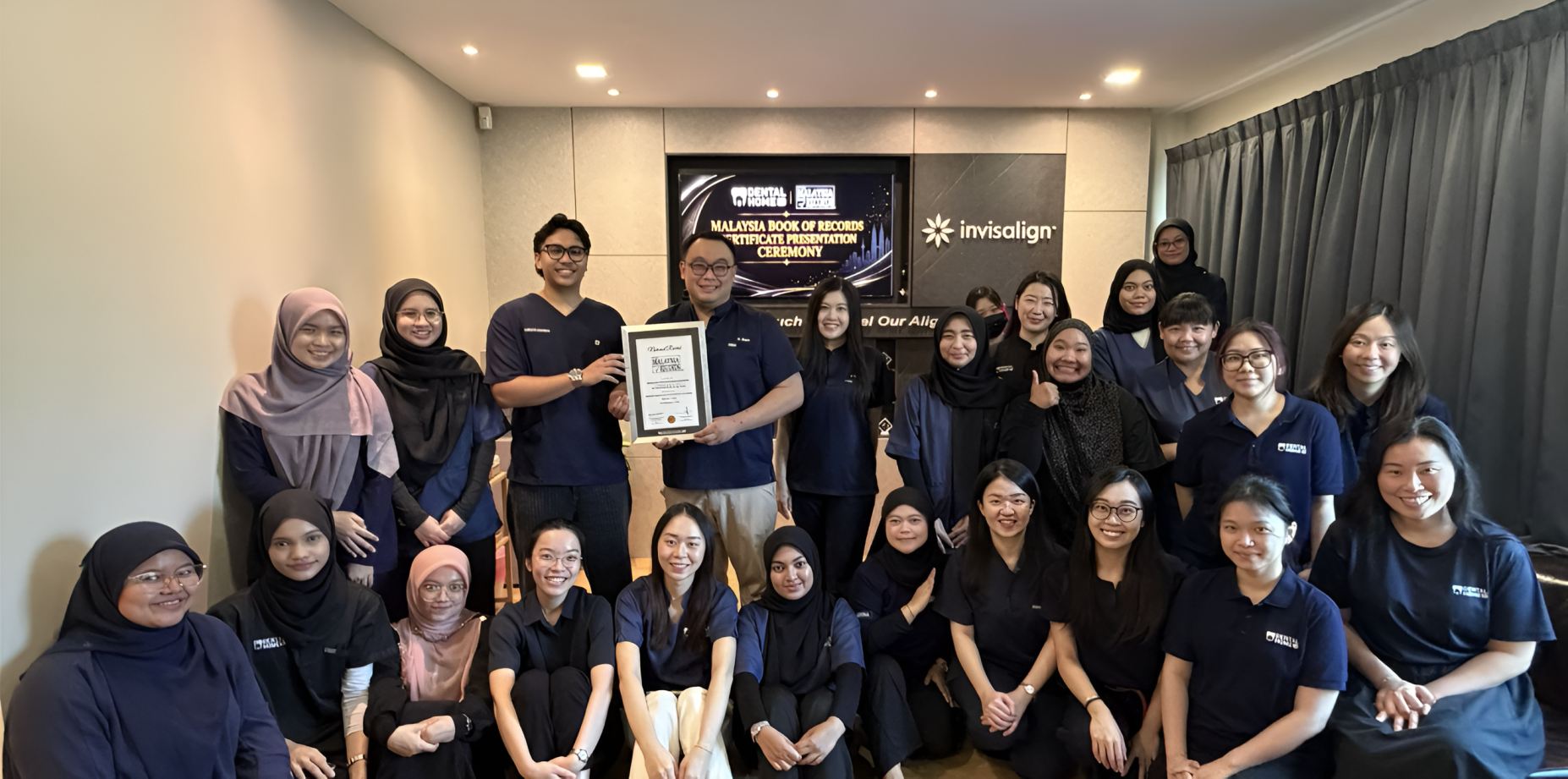
Industry recognition can offer a useful signal of a clinic’s track record. For example, Dental Home’s award page lists accolades such as Invisalign Diamond Provider status across multiple years and recognition in the Malaysia Book of Records for aligner sales volume. Credentials like these aren’t the only factor to weigh, but they can help build confidence in a provider’s experience.
4. Daily Life Adjustments and Maintenance
Adapting to Invisalign involves a few lifestyle tweaks, though most patients adjust within the first couple of weeks.
Eating and drinking
Aligners must be removed before eating or drinking anything other than water. This means no snacking with your trays in, and a quick clean of your teeth before popping them back in after meals.
Cleaning your trays
Rinse your aligners daily and brush them gently with a soft toothbrush. Avoid hot water, which can warp the plastic, and steer clear of coloured or scented soaps that might leave residue or odour.
Speech and social adjustments
Some patients notice a slight lisp during the first few days of wearing a new tray. This typically resolves quickly as your tongue adapts to the aligner’s shape.
5. Effectiveness and Results
Invisalign is effective for a wide range of orthodontic issues, but it’s not universally suited to every case.
What Invisalign can treat
Invisalign works well for mild to moderate crowding, spacing issues, and certain bite problems like overbites and underbites.
What it may not fully address
Severe skeletal misalignments or highly complex bite corrections sometimes require traditional braces or a combination of treatments. Your dentist can assess whether your case is a good fit during the initial consultation.
When to expect visible changes
Many patients notice subtle shifts within the first few weeks, though significant visible changes usually become apparent after two to three months, depending on your specific treatment plan.
6. Aftercare and Retention
Finishing your active Invisalign treatment isn’t the end of the process. What comes next matters just as much for keeping your results.
The role of retainers
Teeth naturally want to shift back toward their original position after treatment. Wearing a retainer, as prescribed by your dentist, is essential for locking in your new smile.
Ongoing maintenance
Retainers typically need to be worn full-time for a period after treatment, then gradually reduced to nights only. Regular dental check-ups also help catch any minor shifting early.
Preventing relapse
Consistency is key. Skipping retainer wear, even temporarily, can allow teeth to drift, sometimes requiring further correction down the line.
7. Potential Risks and Side Effects
Like any orthodontic treatment, Invisalign comes with some temporary discomfort and, in rare cases, complications worth knowing about.
Common, temporary discomfort
Mild pressure or soreness is normal for the first day or two after switching to a new tray. This is a sign the aligners are working and typically fades quickly.
Rare complications
In uncommon cases, patients may experience issues such as tray fit problems or minor gum irritation. Reporting any persistent discomfort to your dentist promptly helps address issues before they escalate.
Managing the adjustment period
Over-the-counter pain relief, sticking to softer foods for the first day of a new tray, and using orthodontic wax on any rough edges can all help ease the transition.
Making Your Invisalign Decision with Confidence
Invisalign treatment in Malaysia offers a genuinely appealing path to straighter teeth, provided you go in with realistic expectations about cost, timeline, and commitment. From budgeting for hidden expenses to understanding the importance of retainer wear after treatment, these seven considerations can help you avoid common pitfalls.
The single most valuable step you can take is choosing a qualified, experienced provider who can assess your specific case honestly. A thorough consultation should leave you with a clear understanding of your treatment plan, timeline, and total cost, no guesswork involved.
If you’re ready to explore whether Invisalign is right for you, book a consultation with a certified provider and ask the questions that matter most to your situation.

