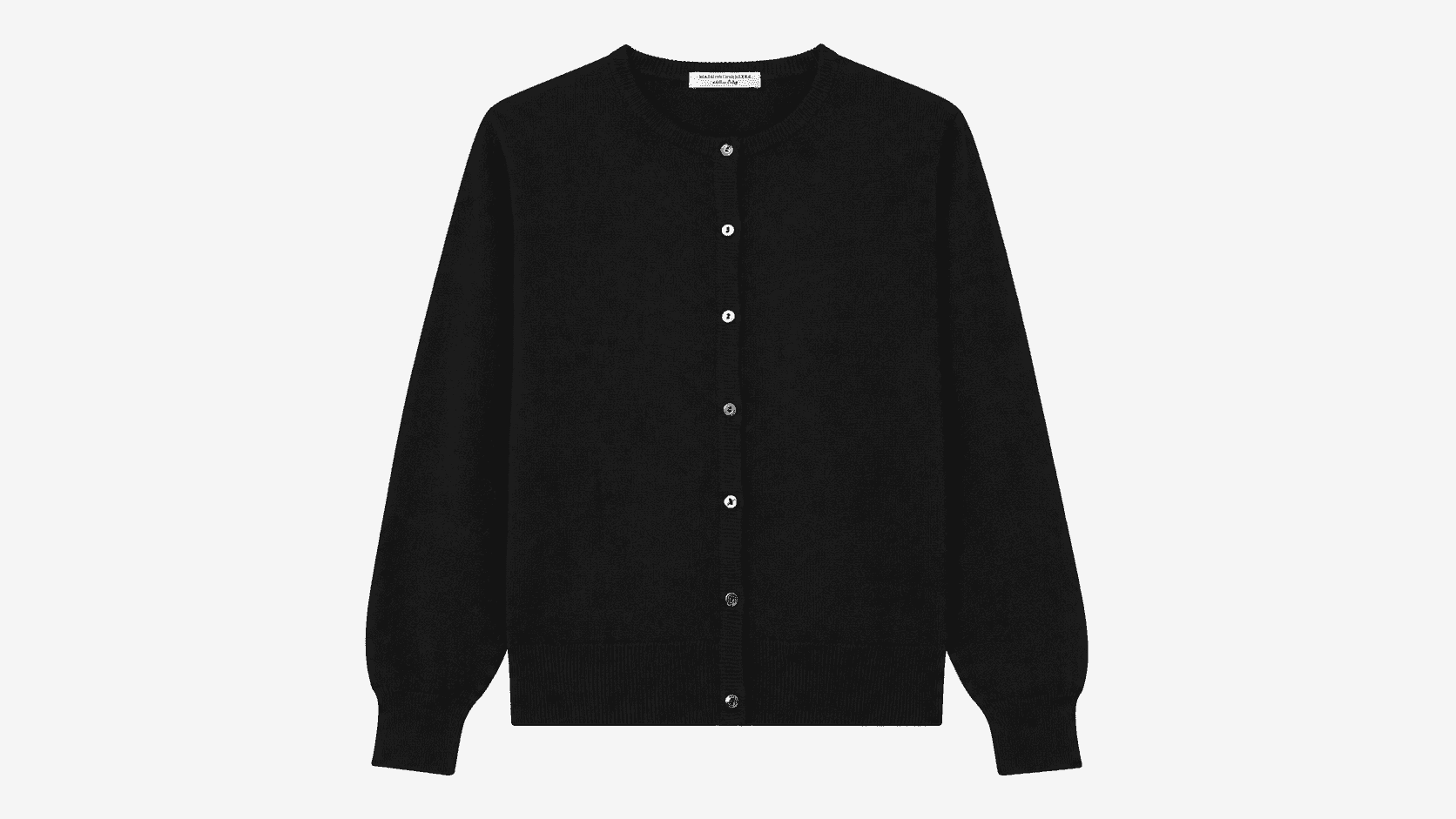
A cashmere crewneck is a timeless wardrobe essential that combines natural warmth, a soft texture, and a clean appearance. It can be worn with jeans for everyday comfort, paired with tailored trousers for a smart-casual outfit, or layered beneath a coat during colder weather. However, even a high-quality sweater may not look its best if the fit is wrong. Sleeves that extend too far over the hands, shoulders that hang awkwardly, or a body that pulls tightly across the chest can affect both comfort and appearance. Understanding how a cashmere crewneck should fit helps you choose a sweater that complements your proportions and remains practical for regular wear.
The ideal fit depends on your personal style, the sweater’s construction, and how you plan to wear it. A slim-fit crewneck should sit closer to the body than a relaxed design, while an oversized sweater is intentionally cut with more room through the shoulders and torso. Regardless of the style, the garment should allow natural movement without excessive pulling or bunching. By checking the shoulders, chest, sleeves, neckline, body length, and hem, you can evaluate a cashmere crewneck more confidently before purchasing it online or in a store.
Why the Right Cashmere Crewneck Fit Matters
Fit influences more than the way a sweater looks. It affects how comfortably you can move, how easily you can layer other clothing underneath, and how naturally the fabric falls across your body. Cashmere knitwear is valued for its soft feel and lightweight warmth, so a sweater that is excessively tight may restrict movement and create visible tension in the knit. On the other hand, a garment with too much fabric can appear shapeless unless its design is intentionally relaxed.
A well-fitting crewneck should follow your natural shape without clinging to every contour. You should have enough room through the chest and shoulders to reach forward, sit comfortably, and move your arms. The fabric should drape naturally instead of forming persistent horizontal lines or large folds. These signs are useful when evaluating fit, although the exact amount of ease depends on the intended silhouette.
It is also important to distinguish between garment quality and garment fit. A beautifully constructed sweater can still be the wrong size for you, while a correctly sized garment may have construction issues. Evaluate both aspects separately so that you do not overlook a fit problem simply because the fabric feels luxurious.
The Visual Checklist for a Well-Fitting Cashmere Crewneck
Use the following checklist when trying on a sweater or reviewing product measurements. The guidelines describe a classic regular-fit crewneck, so a deliberately oversized, cropped, or slim design may have different proportions.
- Shoulders — The seams generally sit near the natural edge of your shoulders in a standard set-in sleeve design.
- Chest — The fabric lies smoothly without pulling across the chest or creating excessive loose folds.
- Neckline — The crewneck rests comfortably around the base of the neck without choking, gaping, or stretching out of shape.
- Sleeves — The cuffs reach around the wrist area without covering most of your hands.
- Body length — The hem generally sits around the hip area and covers the waistband without hanging excessively low.
- Hem and cuffs — Ribbed sections lie neatly against the body and wrists without digging in or flaring out.
- Movement — You can raise your arms, reach forward, and sit down without excessive tension or the sweater riding up significantly.
No single measurement determines whether a sweater fits perfectly. The overall shape should look balanced from the front, side, and back, and the garment should feel comfortable during ordinary movement.
Check the Shoulder Seams First
The shoulders are one of the most useful places to begin when assessing a classic cashmere crewneck. In a standard set-in sleeve design, the shoulder seam should generally align with the point where your shoulder begins to curve into your upper arm. This positioning helps the sleeves hang naturally and gives the upper body a balanced shape.
If the seams sit noticeably beyond your natural shoulders, the sweater may be too large for a conventional fit. You might see excess fabric around the upper arms or a drooping shape that makes the garment appear less structured. However, this is not automatically a problem if the sweater is designed with dropped shoulders or an oversized silhouette. Always consider the intended design before judging the seam position.
Shoulder seams that sit too far toward the neck can indicate that the sweater is too small or that its cut does not suit your proportions. You may notice tension across the upper back, restricted arm movement, or fabric pulling toward the neckline. Try reaching forward and crossing your arms to check whether the garment remains comfortable.
When shopping online, compare the shoulder measurement with a sweater you already own and like. This can be more reliable than choosing a size based only on a label such as small, medium, or large.
Make Sure the Chest Fits Without Pulling
The chest area should provide enough space for comfortable movement while maintaining a clean silhouette. A cashmere crewneck that fits correctly will usually lie smoothly across the chest, with no obvious strain lines radiating from the armpits, neckline, or buttons on an underlying shirt. The fabric should not look stretched thin when you stand naturally or move your arms.
A sweater that is too tight may ride upward when you raise your arms, pull across the upper back, or cling uncomfortably around the torso. These signs suggest that the garment may not provide enough room for your body or the layers you intend to wear beneath it. If you plan to wear a T-shirt or lightweight button-down shirt underneath, make sure the crewneck accommodates that layer without creating pressure.
Excessive room can create a different problem. Too much fabric around the chest and stomach may form folds that collect beneath the arms or at the back. A relaxed fit can still look attractive, but the proportions should appear intentional rather than accidental.
For an online purchase, lay a similar sweater flat and measure straight across the chest, usually just below the armholes. Compare that measurement with the retailer’s garment size chart. Remember that a flat chest measurement represents only half the garment’s circumference, so it should not be confused with a body chest measurement.
Evaluate the Neckline and Crewneck Opening
The neckline is a defining feature of a crewneck sweater, and its fit affects both comfort and appearance. Ideally, the opening should rest naturally around the base of your neck without feeling restrictive or sitting so loosely that it loses its shape. The ribbed collar should lie flat and look balanced from the front and sides.
If the neckline presses tightly against your throat or pulls the fabric toward the shoulders, the opening may be too small for your preference. If it gaps widely or slips backward, the design or size may not suit your proportions. A neckline that looks stretched or uneven when the sweater is new may also indicate a construction or finishing issue.
Consider how the crewneck will work with other clothing. A simple T-shirt can sit beneath it without creating excessive bulk around the collar. If you plan to wear a collared shirt underneath, check that the shirt collar can sit comfortably without bunching or forcing the sweater’s neckline out of position.
The collar should also retain a reasonably even shape. Although knitwear can relax with wear, a well-finished neckline should not appear twisted or distorted before the garment has been used.
Get the Sleeve Length Right
Sleeve length is an important part of a balanced sweater fit. For a classic crewneck, the cuffs generally reach the wrist area when your arms rest naturally at your sides. They may move slightly when you bend your elbows or reach forward, but they should not consistently cover your hands or expose a large amount of forearm.
Sleeves that are too long can gather around the wrists, cover a watch, and create excess fabric around the hands. Sleeves that are too short may reveal too much of your arms when you move, particularly if you intend to wear a shirt underneath. The goal is a natural finish that complements your arm length and the overall design.
Also check the width of the sleeves. They should allow comfortable movement without feeling tight around the biceps or forearms. Excessively wide sleeves can create unnecessary folds, while narrow sleeves may make layering uncomfortable. A good fit allows the fabric to follow your arm without clinging to it.
When comparing measurements online, check how the retailer measures sleeve length. Some measure from the shoulder seam to the cuff, while others measure from the center back of the neck. These methods produce different figures, so compare measurements only when they are taken in the same way.
Choose a Body Length That Looks Balanced
The body length of a cashmere crewneck influences how it works with jeans, chinos, and tailored trousers. For a classic fit, the hem generally falls around the hip area, covering the waistband and creating a balanced line through the torso. The exact position depends on your height, proportions, and preferred style.
If the sweater is too short, it may expose your waistband whenever you reach upward or sit down. This can make the garment uncomfortable and disrupt the overall appearance. A sweater that is too long may cover too much of the seat or create excess fabric around the hips, especially when paired with tailored trousers.
The side view can be particularly helpful. Check whether the front and back hem sit naturally and whether the sweater gathers excessively around the waist. The ribbed hem should usually rest comfortably rather than squeezing tightly or flaring away from the body.
A cropped or oversized crewneck may intentionally use a different length. In those cases, evaluate the proportions according to the design rather than expecting every sweater to follow a traditional silhouette. The most useful question is whether the length works with the trousers and layers you normally wear.
Test the Fit With Simple Movements
A mirror gives you a useful first impression, but movement reveals problems that may not be obvious while standing still. Before deciding whether a cashmere crewneck fits, raise your arms, reach forward, cross your arms over your chest, and sit down. These simple movements help you identify tension across the back, tightness around the shoulders, or a hem that rides up excessively.
The sweater should move with you rather than feeling as though it is holding your body in place. A small amount of movement in the fabric is normal, but the neckline should not be pulled dramatically out of position whenever you reach forward. The sleeves should remain comfortable around the elbows, and the chest should not feel compressed.
If you plan to wear the sweater over a shirt, test the fit with that layer whenever possible. A crewneck that feels comfortable over a thin T-shirt may be too restrictive over a thicker shirt. Similarly, consider whether the sweater will be worn under a coat, as excessive bulk around the shoulders and arms can make layering uncomfortable.
These practical checks are more useful than relying entirely on a quick glance in the mirror. Comfort and proportion should work together.
How to Measure a Cashmere Crewneck Before Buying Online
Buying knitwear online can be straightforward when you compare actual garment measurements instead of relying only on size labels. Start by selecting a sweater you already own that has the fit you want. Lay it flat on a clean surface and smooth it gently without stretching the knit.
Measure the shoulder width from one shoulder seam to the other, the chest across the garment just below the armholes, the sleeve according to the measurement method provided by the retailer, and the body length from the specified shoulder point to the hem. Record these measurements and compare them with the new sweater’s size chart.
Pay attention to the intended fit. A slim-fit design may have less room through the chest than a regular-fit sweater, while an oversized style may have broader shoulders and a longer or boxier body. Two garments in the same labeled size can have noticeably different dimensions, so the measurements and product description should guide your decision.
You can browse options in the 100% cashmere sweater collection and compare the available designs according to their fit, material details, and intended use. Reviewing the size chart and return policy before ordering can also help you make a more informed choice.
Common Cashmere Crewneck Fit Mistakes to Avoid
One common mistake is choosing a sweater that is too tight because it appears more tailored while standing still. A slim silhouette can look neat, but the garment should still allow comfortable movement without pulling across the chest or shoulders. Another mistake is sizing up automatically for extra comfort, which can leave the sleeves too long and the body unnecessarily loose.
Ignoring the neckline is also easy to do. Shoppers often focus on the chest and sleeve measurements but overlook a collar that feels restrictive or sits awkwardly. Similarly, judging the fit only from the front may hide excess fabric at the back or a hem that hangs unevenly.
Finally, do not assume that a higher price guarantees a better fit. Cashmere quality and sizing are separate considerations. Check the material information, construction, garment measurements, and care instructions, then decide whether the sweater suits your needs. If the fit is uncomfortable or unbalanced, it may not become a favorite simply because the fabric is luxurious.
Final Checklist for Choosing the Right Fit
A well-fitting cashmere crewneck should feel comfortable, look balanced, and work with the clothing you already own. For a classic silhouette, begin with the shoulder seams, then check chest room, neckline comfort, sleeve length, body length, and the way the hem sits. Finish by moving naturally in the sweater to make sure it does not pull, restrict movement, or ride up excessively.
Remember that the best fit is not always the tightest or most structured option. A slim crewneck, regular-fit sweater, and oversized design can all work well when their proportions match the intended style. Your comfort, preferred silhouette, and layering needs should guide the final decision.
By using this visual checklist before purchasing, you can compare cashmere crewnecks more confidently and avoid common sizing mistakes. The right sweater should feel easy to wear, complement your proportions, and provide the versatility to become a dependable part of your wardrobe for many seasons.

